Tangible Archives
Origin
From an early age, like many of us, I was drawn into travel. Growing up in the United States to a French mother and an American father, my childhood summers were shaped by repeated journeys to France. The anticipation was so intense that my brother and I would build makeshift tents between armchairs at home, imagining the cabin of an airplane.
Whether brief trips or extended stays, the memories we form through travel tend to live only in our minds or in photographs. Whatever their nature, they remain intangible. Regardless of destination or duration—no matter how near or far—I have always felt the need to capture the essence of a place in a way that goes beyond an image or a fleeting recollection.
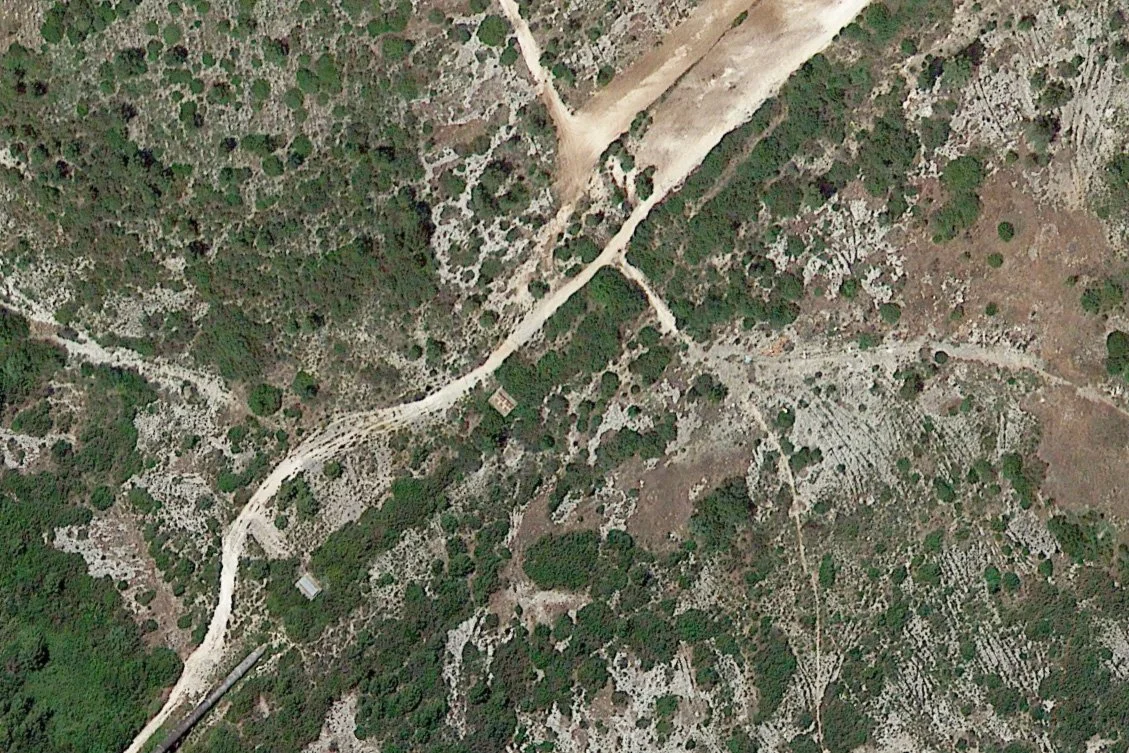
This feeling becomes especially vivid in flight, when the landscape unfolds beneath the aircraft and stretches toward the horizon, or even beyond. From that perspective, geography becomes a continuous surface—vast, coherent, and deeply evocative.
This work grew from a desire to transform memory into something tangible. It speaks intimately to those who share this need for physical presence: to keep close a place that carries deep meaning, and to hold it not as a fragment, but as a whole—whatever personal memory may be attached to it.
Material Presence & Touch
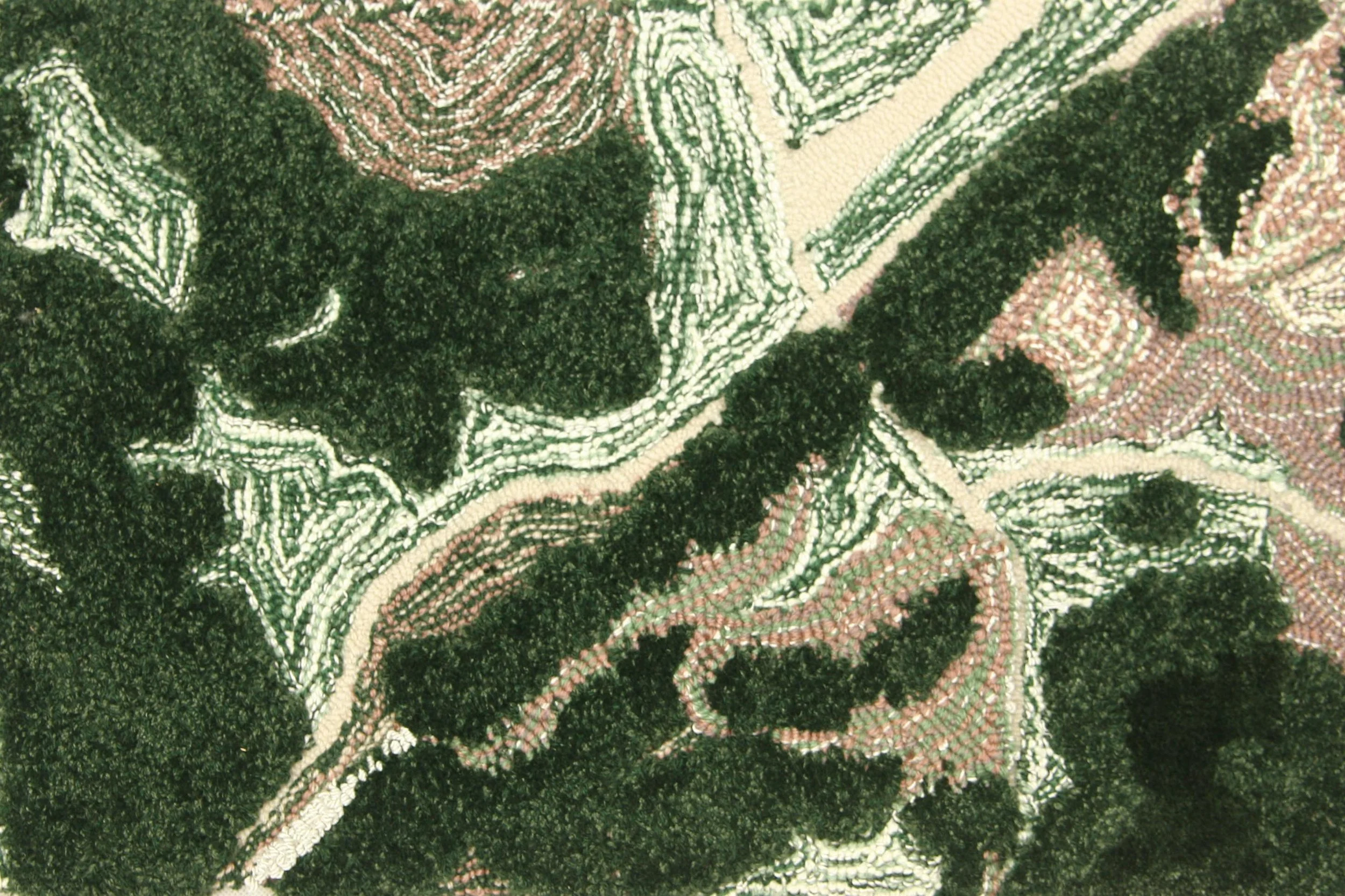
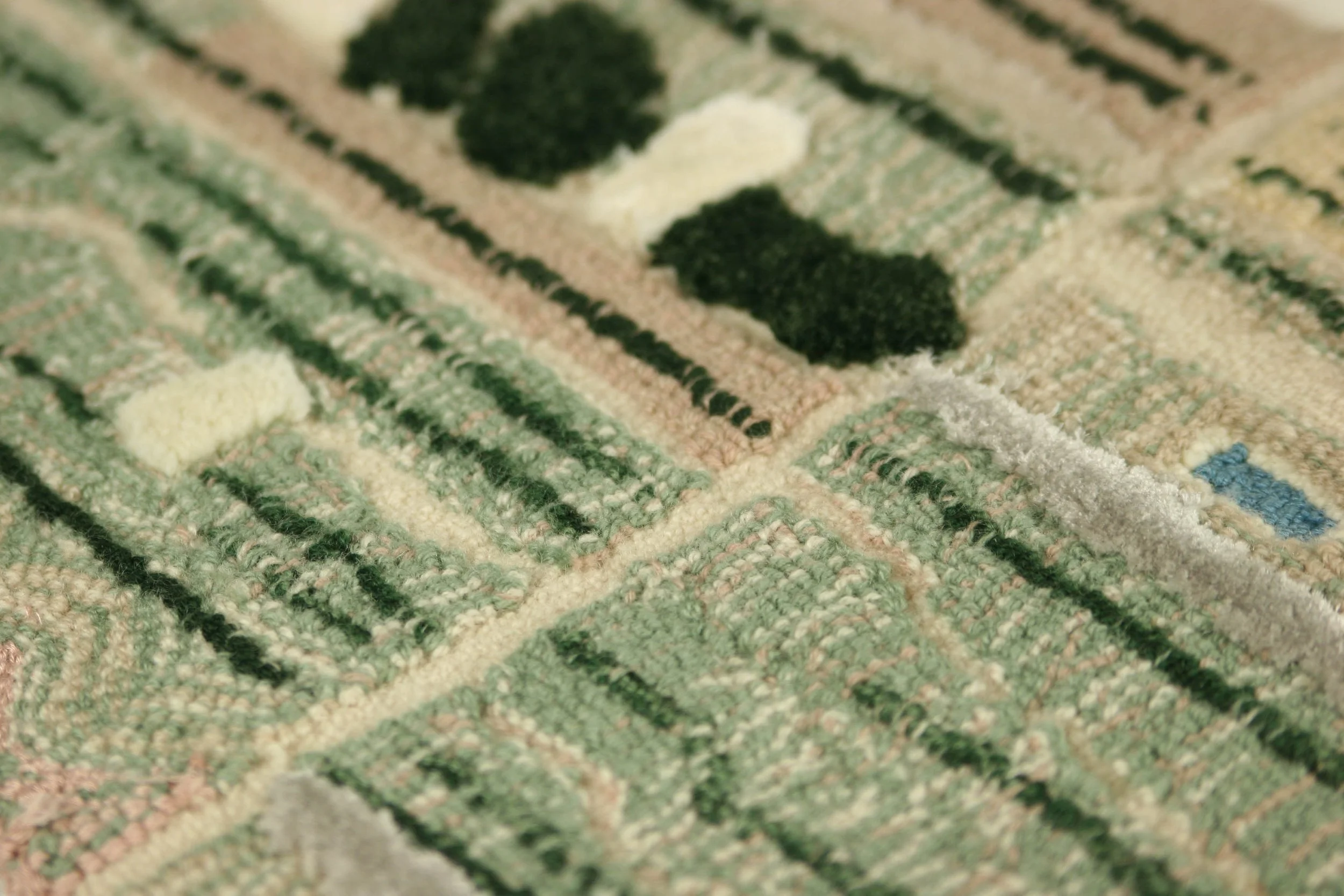
Touch plays a central role in these works, on equal footing with memory itself. Designed to occupy a space that is not necessarily central yet unmistakably focal, each piece functions as a presence. It is not relegated to an album or an archive. Instead, it invites intimacy—while remaining discreet, capable of receding into the background when not actively engaged.
About the Series
This set of six views translates some of my most formative childhood memories, spanning different periods of my life. From my earliest years in the United States, through adolescence in France, to adulthood and more recent travels in southern Italy, each view represents a place of personal significance—sites that brought joy, shaped my growth, and continue to resonate today.
The series also explores variation: the same places rendered across seasons—summer and winter—under different atmospheric conditions, with or without cloud cover, by day or by night. These shifts reveal how a single landscape can transform while remaining fundamentally itself.
Looking forward, such variations—seasonal, climatic, temporal, and even structural (topology, humidity, scale)—form a vocabulary that future patrons may engage with. They offer a wide amplitude of possibilities, enabling each commissioned work to be shaped precisely to the expectations, memories, and sensibilities of its owner.